The Java Language Overview
Java was first released in 1995 and was initially developed by James Gosling and his team at Sun Microsystems. The language was designed with the goal of being platform-independent, secure, and easy to use.
Java's design philosophy emphasizes the principle of "write once, run anywhere," meaning that Java code can be written on one platform and run on any other platform that has a compatible Java Virtual Machine (JVM). This is achieved through the use of bytecode, an intermediate representation of the code that the JVM interprets.
How predecessor like C/C++ compare to Java development model?
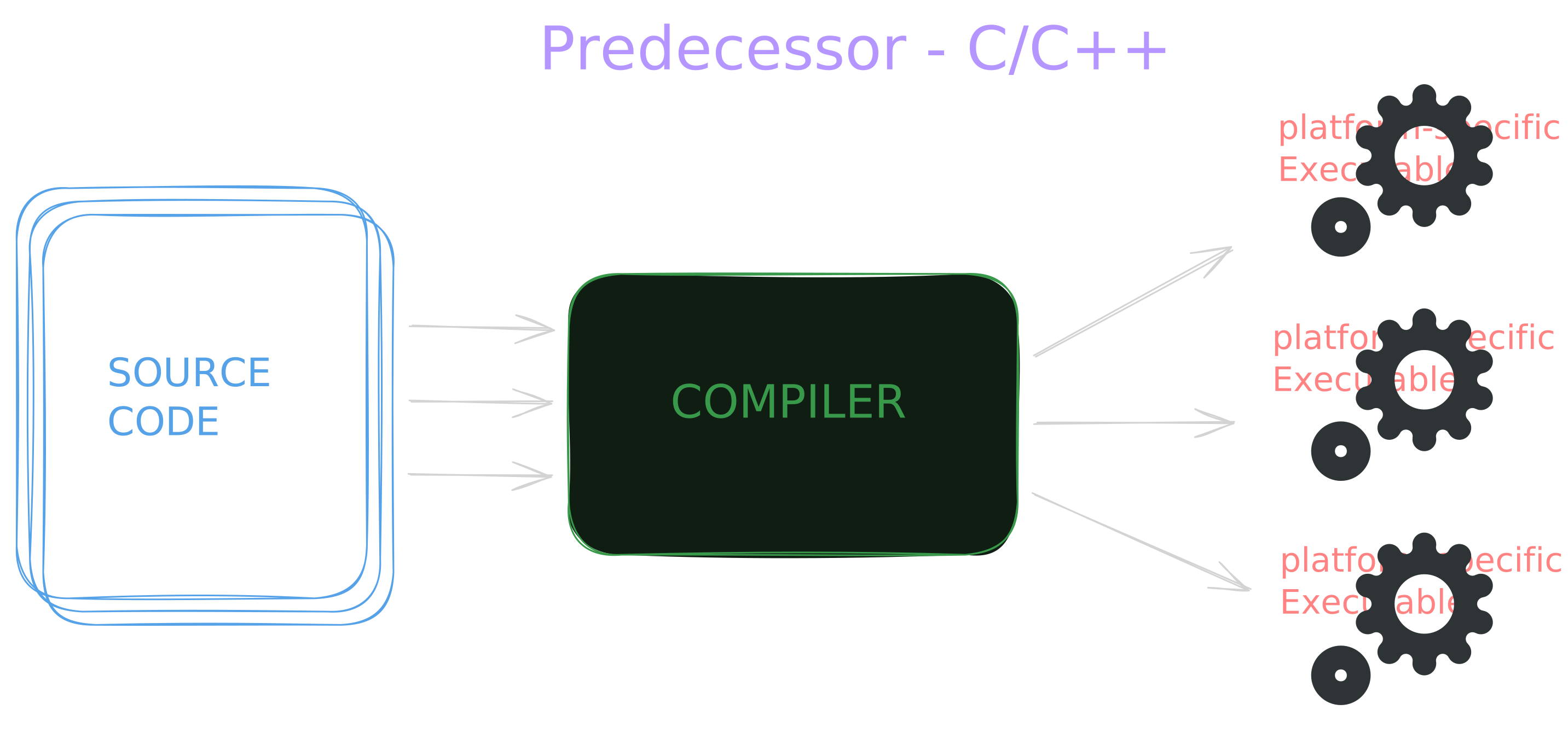
Once developer writes code in C or C++, it is compiled directly into machine code that is specific to the target platform. This means that the compiled code can only run on the platform for which it was compiled, making C and C++ platform-dependent languages.
Developers were needed to recompile their C/C++ code for each specific platform they wanted to support, which could be time-consuming and error-prone.
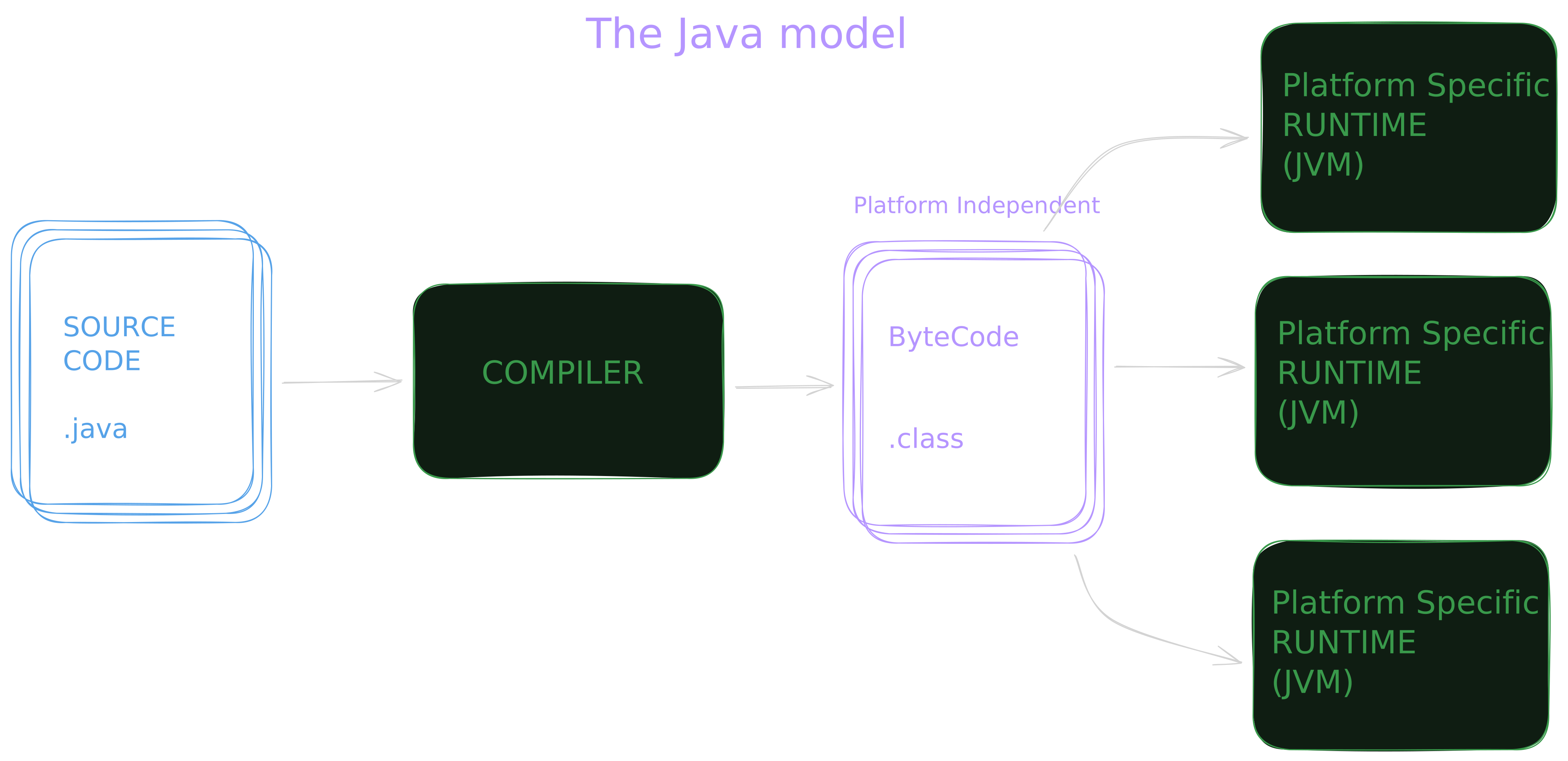
In contrast, Java code is compiled into an intermediate form called bytecode, which is platform-independent. This bytecode can be executed on any platform that has a compatible Java Virtual Machine (JVM).
The JVM acts as an intermediary between the Java bytecode and the underlying hardware, translating the bytecode into machine code that can be executed by the specific platform.